

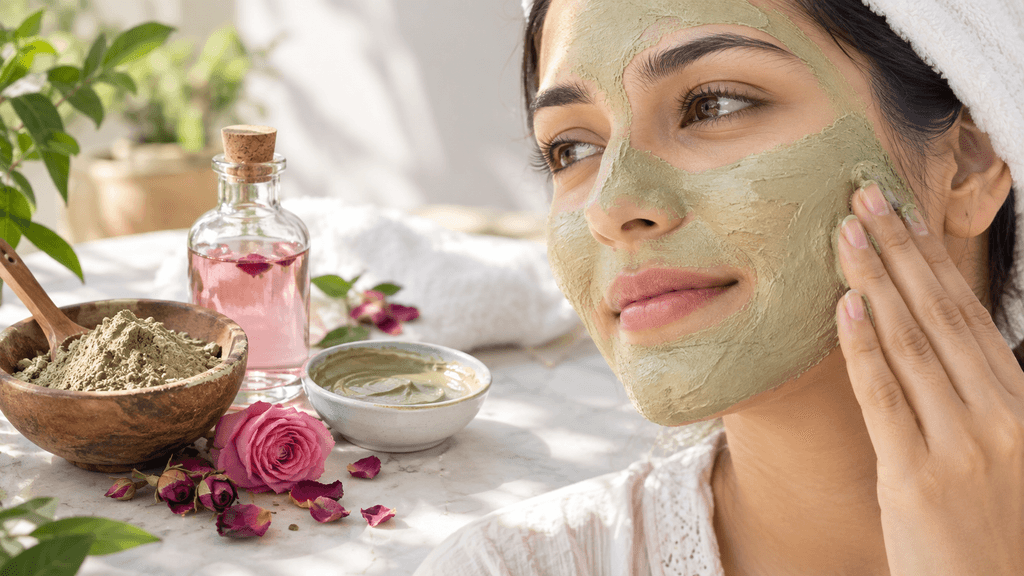
Managing oil and sudden breakouts can feel like a constant battle, but controlling excess oil does not require stripping oily skin completely dry. Gentle ingredients such as Multani Mitti, Aloe Vera, Green Tea and Honey may help manage surface oil and soothe irritated skin when combined with a consistent routine that includes gentle cleansing, non-comedogenic moisturizing and daily sun protection.
Using physical scrubs or overwashing can irritate the skin barrier and make breakouts appear worse. Instead of trying to remove every trace of oil, the goal should be to keep the skin clean, hydrated and balanced. Understanding why oily skin behaves this way makes it easier to choose home remedies and skincare habits that support clearer-looking skin.
Why Does Oily Skin Lead to Pimples?
Oily skin and pimples are closely connected because excess sebum can mix with dead skin cells and contribute to clogged pores. When pores become blocked, inflammation can develop and lead to blackheads, whiteheads and inflammatory pimples.
The Science Behind Excess Sebum Production
Sebum production is influenced by several factors, including genetics, hormones, age and environmental conditions. Androgen hormones can stimulate the sebaceous glands, which is one reason oil production and breakouts often increase during puberty and hormonal changes.
Stress can also affect the skin indirectly by influencing hormones, sleep and daily skincare habits. Because oil production is biologically regulated, home remedies cannot permanently change an individual’s natural skin type. They can, however, help manage surface oil and support a healthier-looking skin barrier.
The Mechanics of Pimple Formation
When excess sebum combines with dead skin cells, a pore can become clogged. This creates an environment where Cutibacterium acnes, a naturally occurring skin bacterium, can contribute to inflammation.
The result may be blackheads, whiteheads or red, swollen pimples. Keeping pores clear while avoiding excessive irritation is therefore an important part of managing oily, acne-prone skin.
Home Remedies for Oily Skin and Acne
Natural ingredients can sometimes complement a basic skincare routine. However, natural does not automatically mean irritation-free. Always patch test a new ingredient and stop using it if burning, swelling or significant redness occurs.
1. Multani Mitti (Fuller’s Earth) Clay Mask
Multani Mitti, also known as Fuller’s Earth, is commonly used in traditional skincare because clay can absorb excess surface oil. This can temporarily reduce shine and leave oily skin feeling cleaner.
How to Use Multani Mitti
Mix 1 tablespoon of Multani Mitti with enough plain water or rose water to create a smooth paste. Apply a thin layer to clean skin and leave it on for around 5–10 minutes. Rinse gently with lukewarm water before the mask becomes completely dry and cracked.
How Often Should You Use It?
For oily skin, once or twice a week is generally sufficient. Using clay masks too frequently may cause dryness or irritation.
If you prefer ready-formulated products, you can explore these organic acne-prone products as part of a consistent routine.
2. Green Tea for Oily Skin
Green tea contains polyphenols such as EGCG that have antioxidant and anti-inflammatory properties. Some research suggests topical green tea preparations may help reduce sebum production and inflammation, although results can vary depending on the formulation and concentration.
How to Apply Green Tea
Prepare plain green tea and allow it to cool completely. Apply a small amount to clean skin using clean hands or a cotton pad. Avoid adding sugar, lemon or other irritating ingredients.
Do not rely on homemade green tea as a replacement for proven acne treatments if breakouts are persistent or severe.
3. Pure Aloe Vera Gel
Aloe vera can provide lightweight hydration and may help soothe irritated skin. Its cooling texture makes it particularly useful for people who dislike heavy moisturizers.
How to Use Aloe Vera
Apply a thin layer of plain, fragrance-free aloe vera gel to clean skin. If using fresh aloe vera, ensure the yellow latex is removed because it can irritate some skin types.
Aloe vera should complement rather than replace a complete acne skincare routine.
4. Apple Cider Vinegar: Use With Caution
Apple cider vinegar is sometimes promoted as a natural toner because it contains acetic acid. However, facial skin can be sensitive to acidic ingredients, and homemade vinegar solutions can cause irritation or chemical burns if they are too concentrated.
For this reason, applying apple cider vinegar directly to acne-prone skin is not recommended. If you have sensitive or acne-prone skin, a properly formulated skincare product is generally a safer option than a homemade vinegar toner.
5. Honey for Oily Skin
Honey is a humectant, meaning it can help attract and retain moisture. Certain types of medical-grade honey also have antimicrobial properties, although kitchen honey should not be considered a medical acne treatment.
How to Use Honey
If you want to try honey as a simple wash-off mask, apply a thin layer of plain honey to clean skin for approximately 10–15 minutes and rinse thoroughly.
Always patch test first, especially if your skin is sensitive or reactive.
Skincare Dos and Don’ts for Oily Skin
| Recommended Skincare Habits | Skincare Habits to Avoid |
|---|---|
| Use a gentle, non-comedogenic moisturizer | Skipping moisturizer completely |
| Cleanse gently twice daily | Overwashing or aggressive scrubbing |
| Patch test new natural ingredients | Applying undiluted acidic ingredients |
| Use broad-spectrum sunscreen every morning | Picking or squeezing pimples |
| Choose lightweight skincare products | Using heavy, pore-clogging products |
Building an Effective Daily Skincare Routine for Oily Skin
A simple routine is often easier to maintain than a complicated routine containing multiple active ingredients.
Morning Routine for Oily Skin
Start with a gentle cleanser to remove overnight oil and buildup without leaving the skin feeling tight.
Follow with a lightweight moisturizer and finish with broad-spectrum sunscreen. Daily sun protection is particularly important when dealing with post-acne marks because UV exposure can make discoloration more noticeable.
If you are building a routine around sensitive or acne-prone skin, consider organic skincare products that fit your skin’s needs.
Evening Routine for Oily Skin
In the evening, cleanse away sunscreen, makeup and accumulated oil. If you wear heavy sunscreen or makeup, double cleansing can be useful.
A typical double-cleansing routine starts with an oil-based or cleansing balm product followed by a gentle water-based cleanser.
For additional guidance, see this Korean skincare routine for a step-by-step approach.
After cleansing, apply your selected treatment and finish with a lightweight moisturizer.
Adapting Your Routine for Sensitive Skin
Oily skin is not necessarily strong skin. Some people experience oiliness alongside redness, stinging or sensitivity. Overusing clay masks, acids and exfoliants can weaken the skin barrier.
Choosing suitable organic sensitive skin products and following a gentle routine can help minimize unnecessary irritation.
For a more detailed approach, explore this sensitive skin routine guide.
Active Skincare Ingredients for Sebum Control and Acne
Home remedies can complement a routine, but evidence-based skincare ingredients may offer more predictable results for oily and acne-prone skin.
Niacinamide (Vitamin B3)
Niacinamide is commonly used in skincare because it can support the skin barrier, reduce the appearance of redness and help regulate excess oil for some people.
Learn more about niacinamide serum benefits and how this ingredient can fit into an oily-skin routine.
Salicylic Acid (Beta Hydroxy Acid)
Salicylic acid is an oil-soluble beta hydroxy acid that can penetrate into pores and help loosen dead skin cells. It is commonly used in products designed for blackheads and acne-prone skin.
Read more about salicylic acid benefits before adding it to your routine.
Jojoba Oil
Jojoba oil is technically a liquid wax ester rather than a conventional vegetable oil. Its composition is relatively similar to components found in human sebum, and it can provide lightweight emollient properties.
However, it should not be described as literally “tricking” the skin into producing less oil. Individual responses vary, so patch testing is important.
Read more about what is jojoba oil and how it is used in skincare.
Vitamin C and Retinol
Vitamin C is commonly used to support antioxidant protection and improve the appearance of uneven skin tone and post-acne discoloration.
You can explore these vitamin C benefits for skin for more information.
Retinoids can help support cell turnover and are widely used for acne and skin texture concerns. However, they can cause dryness and irritation when introduced too quickly.
If you have sensitive skin, learn more about retinol for sensitive skin before introducing it.
Addressing Blackheads and Post-Pimple Marks
Persistent oil production can contribute to clogged pores, blackheads and post-inflammatory dark marks.
Managing Blackheads
Avoid squeezing blackheads or using aggressive pore strips repeatedly. Gentle cleansing and appropriate ingredients such as salicylic acid can help manage clogged pores.
For a more detailed guide, read how to remove blackheads safely.
Managing Dark Spots After Pimples
Pimples can leave behind temporary dark marks, especially after picking or squeezing them. Consistent sunscreen and gentle skincare can help prevent these marks from becoming more noticeable.
Explore these natural dark spot remedies for additional guidance.
Managing Hyperpigmentation
Hyperpigmentation can have multiple causes and may take time to fade. Avoiding unnecessary irritation and maintaining daily sun protection are important steps.
You can learn more about natural hyperpigmentation remedies or explore practical approaches for reducing hyperpigmentation naturally.
For persistent or significant pigmentation concerns, professional assessment may be appropriate. Explore professional hyperpigmentation treatment for an overview of treatment options.
When Oily Skin Becomes Dehydrated
Oily skin can still become dehydrated. Dehydrated skin lacks sufficient water even when the sebaceous glands continue producing oil.
Using an appropriate lightweight moisturizer can support the skin barrier without necessarily making oily skin feel excessively greasy.
If certain areas become dry or flaky, explore natural moisturizers for dry skin.
For an overall balanced routine, see this guide to an organic glowing skin routine.
Sun Protection for Acne-Prone Skin
Daily sunscreen is an important part of managing acne-prone skin because UV exposure can worsen the appearance of post-acne discoloration.
Choose a broad-spectrum sunscreen that feels comfortable on your skin and is labeled non-comedogenic when possible.
For children with sensitive skin, explore this guide to sunscreen for sensitive kids.
Frequently Asked Questions
What is the best home remedy for oily skin and pimples?
There is no single home remedy that works for everyone. Multani Mitti may temporarily absorb excess surface oil, while aloe vera may provide soothing hydration. A consistent gentle skincare routine is generally more useful than relying on one remedy.
Can home remedies completely cure acne?
No. Home remedies cannot permanently cure acne because acne can be influenced by hormones, genetics, oil production and other factors. Persistent or severe acne may require professional treatment.
Does drinking water reduce oily skin?
Drinking enough water supports overall health and hydration, but drinking extra water alone does not directly stop the sebaceous glands from producing oil.
Is it bad to moisturize acne-prone skin?
No. Acne-prone skin still needs hydration. Choose a lightweight, non-comedogenic moisturizer rather than skipping moisturizer completely.
How often should I wash my face if I have oily skin?
For most people, gentle cleansing twice a day is sufficient. Washing repeatedly throughout the day can cause irritation and dryness.
Can toothpaste clear a pimple overnight?
No. Toothpaste is not formulated for facial skin and can cause irritation. It should not be used as an acne spot treatment.
Why do pimples persist despite a good skincare routine?
Persistent breakouts can be influenced by hormones, genetics, stress, medications, skincare products and other factors. If acne continues despite a consistent routine, consider speaking with a dermatologist.
Are home remedies safe for sensitive oily skin?
Not always. Natural ingredients can still cause irritation or allergic reactions. Ingredients such as lemon juice and undiluted vinegar are particularly unsuitable for direct facial application.
Can oily skin still be dehydrated?
Yes. Oiliness refers primarily to sebum production, while dehydration refers to insufficient water in the skin. A person can experience both at the same time.
Should oily skin use sunscreen?
Yes. Sunscreen is important for all skin types. Choose a lightweight, broad-spectrum formula that feels comfortable and does not worsen breakouts.
Should I scrub oily skin?
Aggressive physical scrubbing is generally not recommended for acne-prone skin because friction can irritate active breakouts and damage the skin barrier.
Can Multani Mitti remove pimples?
Multani Mitti can absorb some surface oil and temporarily reduce shine, but it does not treat the underlying causes of acne.
Can aloe vera remove acne?
Aloe vera may soothe irritated skin and provide lightweight hydration, but it should not be considered a standalone acne treatment.
Is green tea good for oily skin?
Topical green tea preparations may help reduce inflammation and oiliness for some people. However, results depend on the formulation and individual skin response.
Can honey remove pimples?
Honey can provide hydration and certain types of honey have antimicrobial properties, but ordinary kitchen honey should not be considered a proven acne treatment.
How can I prevent dark spots after pimples?
Avoid picking pimples, use gentle skincare and apply sunscreen consistently. These habits can reduce irritation and help prevent post-inflammatory marks from becoming darker.
Should oily skin use moisturizer at night?
Yes. A lightweight, non-comedogenic moisturizer can help support the skin barrier overnight without adding unnecessary heaviness.
Is double cleansing necessary for oily skin?
Not necessarily. Double cleansing can be useful for removing makeup or heavy sunscreen, but a gentle cleanser may be sufficient for many people.
Can stress cause oily skin and pimples?
Stress can influence hormones and behaviors that may contribute to breakouts. Managing stress, maintaining sleep and following a consistent skincare routine may help.
Can oily skin use jojoba oil?
Some people tolerate jojoba oil well, but individual responses differ. Patch testing is recommended before applying it regularly to acne-prone skin.
Is salicylic acid good for oily skin?
Salicylic acid can be useful for oily and acne-prone skin because it is oil-soluble and can help remove dead skin cells from inside pores.
Is niacinamide good for oily skin?
Niacinamide can help support the skin barrier and may reduce the appearance of excess oil for some people. It is commonly included in products designed for oily and combination skin.
When should I see a dermatologist for acne?
Consider professional advice when acne is painful, severe, persistent, leaving scars or significantly affecting your confidence. A dermatologist can determine the underlying type of acne and recommend appropriate treatment.
Final Thoughts
Managing oily skin is not about removing every trace of oil. The goal is to control excess sebum while maintaining a healthy skin barrier.
Gentle cleansing, lightweight moisturization, daily sunscreen and carefully selected ingredients can provide a more sustainable approach than aggressive scrubbing or excessive washing. Home remedies may complement this routine, but persistent or severe acne should be evaluated by a qualified dermatologist.
Reviewed & Published By
Bareysa Skincare Editorial Team
At Bareysa, we focus on skincare approaches designed to support the skin’s natural balance. Always patch test new skincare ingredients before applying them regularly, and discontinue use if irritation occurs.