

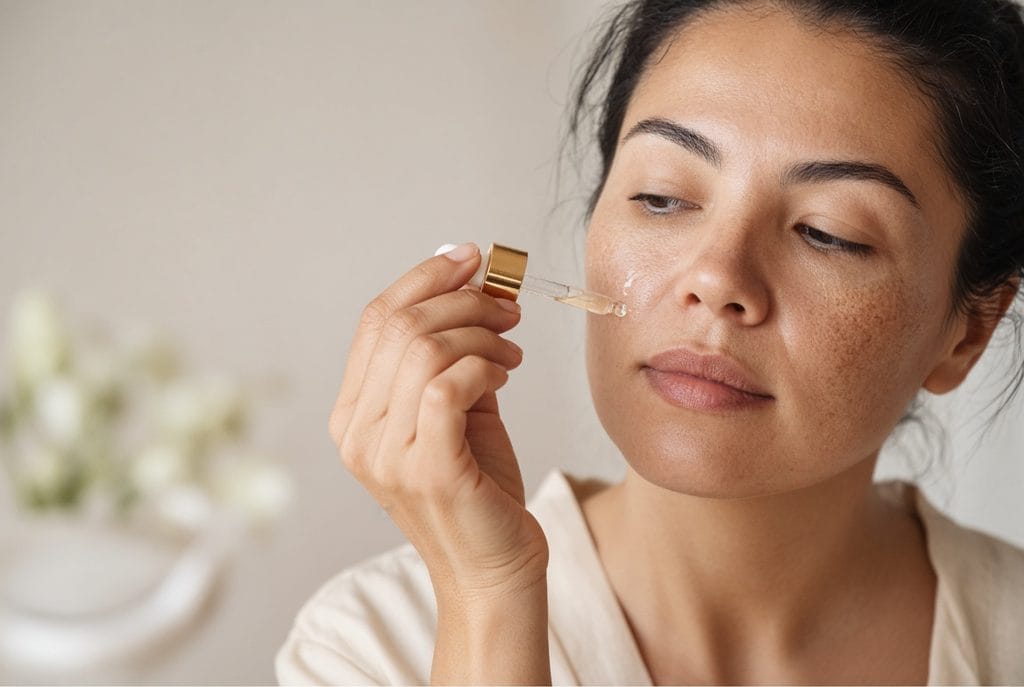
Hyperpigmentation is one of the most common skin concerns. It can appear as dark spots, uneven skin tone, acne marks, or patches that look darker than the surrounding skin.
Many people want to know how to reduce hyperpigmentation naturally without using harsh treatments that may irritate sensitive skin.
The good news is that a gentle skincare routine, consistent sun protection, suitable ingredients, and healthy skin habits can help improve the appearance of dark spots over time.
What Is Hyperpigmentation?
Hyperpigmentation happens when certain areas of the skin produce more melanin than usual. Melanin is the pigment responsible for skin color.
Several factors can contribute to hyperpigmentation, including:
- Sun exposure
- Acne and skin inflammation
- Hormonal changes
- Skin irritation
- Picking or squeezing pimples
- Certain medications
- Conditions such as melasma
The best approach depends on the underlying cause. For persistent or rapidly changing pigmentation, a dermatologist can help identify the cause and recommend appropriate treatment.
How to Reduce Hyperpigmentation Naturally
There is no instant natural remedy that can remove dark spots overnight. However, gentle and consistent skincare can help improve uneven pigmentation while reducing the chance of new spots appearing.
1. Use Sunscreen Every Day
Daily sun protection is one of the most important steps when dealing with hyperpigmentation.
UV exposure can make existing dark spots appear darker and may contribute to new pigmentation.
Choose a broad spectrum sunscreen with SPF 30 or higher and apply it every morning.
If you spend extended time outdoors, reapply sunscreen regularly.
For people dealing with melasma or pigmentation that is worsened by visible light, a tinted sunscreen containing iron oxides may provide additional protection.
2. Keep Your Skincare Routine Gentle
Skin irritation can make pigmentation worse, especially when your skin is already sensitive.
Use gentle cleansers and moisturizers that support the skin barrier.
Avoid using too many active ingredients at the same time. A simple routine is often easier to maintain and can reduce unnecessary irritation.
A basic routine can include:
Morning Routine
- Gentle cleanser
- Hydrating serum
- Moisturizer
- Sunscreen
Evening Routine
- Gentle cleanser
- Treatment serum
- Moisturizer
The exact products you choose should depend on your skin type and individual concerns.
3. Consider Niacinamide for Dark Spots
Niacinamide is a popular skincare ingredient that can be useful for uneven skin tone and the appearance of dark spots.
It can also support the skin barrier and may be suitable for people who want a gentler option for their skincare routine.
If you have sensitive skin, start with a lower concentration and introduce the product gradually.
For more information, read our guide on Niacinamide Serum Benefits: What It Does and How to Use It.
4. Avoid Over Exfoliating Your Skin
Exfoliation can help remove dead skin cells, but excessive exfoliation may damage the skin barrier and cause irritation.
Irritated skin can develop more noticeable pigmentation, particularly after inflammation.
If you exfoliate, choose a gentle approach and avoid combining multiple exfoliating products at the same time.
Your skin should feel comfortable after exfoliation. Burning, excessive redness, or persistent dryness can be signs that your routine is too aggressive.
5. Focus on Your Skin Barrier
A healthy skin barrier helps protect the skin from environmental stress and reduces moisture loss.
When the skin barrier becomes damaged, your skin may become dry, irritated, sensitive, or more reactive to skincare products.
Ingredients such as ceramides, hyaluronic acid, glycerin, and squalane can help support hydration and the skin barrier.
For more information, read our guide on How to Repair a Damaged Skin Barrier Naturally.
6. Avoid Picking or Squeezing Acne
Acne can leave behind dark marks called post inflammatory hyperpigmentation.
Picking, squeezing, or scratching pimples can increase inflammation and may increase the risk of pigmentation.
Instead, use a gentle acne skincare routine and allow blemishes to heal naturally.
Preventing new breakouts can also help reduce the formation of new dark spots.
7. Avoid Harsh DIY Remedies
Many natural skincare remedies are promoted online for dark spots, but natural does not always mean safe for your skin.
Avoid applying harsh ingredients such as lemon juice, baking soda, toothpaste, or undiluted essential oils directly to your skin.
These ingredients may cause irritation and inflammation, which can make pigmentation more noticeable.
A gentle skincare routine is generally a safer approach than experimenting with harsh homemade treatments.
8. Use Antioxidant Rich Skincare
Antioxidant ingredients can help support the skin against environmental stress.
Vitamin C is one ingredient commonly used in skincare routines for uneven skin tone and the appearance of dark spots.
If you have sensitive skin, introduce new products slowly and avoid adding several active ingredients at the same time.
The goal should be consistent skincare without causing unnecessary irritation.
9. Be Consistent With Your Skincare Routine
Hyperpigmentation usually does not disappear overnight.
Dark spots can take weeks or months to become less noticeable, depending on their cause, depth, skin type, and exposure to sunlight.
Consistency is more important than using many products.
A simple routine that you can follow every day is usually better than a complicated routine that causes irritation.
Can Hyperpigmentation Go Away Naturally?
Some forms of hyperpigmentation can gradually become lighter as the skin naturally renews itself.
For example, dark marks left after acne or minor inflammation may fade over time.
However, certain types of pigmentation, including melasma, can be persistent and may require professional treatment.
Sun protection remains important because UV and visible light exposure can make pigmentation more noticeable.
How Long Does Hyperpigmentation Take to Fade?
The time required for dark spots to fade depends on several factors.
These include:
- The cause of pigmentation
- The depth of the pigmentation
- Your skin type
- Sun exposure
- Your skincare routine
- Whether new inflammation continues to occur
Some superficial dark marks may gradually improve over several weeks or months.
Deeper or persistent pigmentation may take longer and may require professional treatment.
When Should You See a Dermatologist?
You should consider speaking with a dermatologist if pigmentation:
- Appears suddenly without an obvious cause
- Continues to become darker
- Covers a large area of the skin
- Does not improve with gentle skincare
- Is associated with other unusual skin changes
- Causes significant concern
A dermatologist can determine whether the pigmentation is related to acne, sun exposure, melasma, medication, inflammation, or another condition.
Frequently Asked Questions
What Is the Best Natural Way to Reduce Hyperpigmentation?
Consistent sun protection, gentle skincare, avoiding skin irritation, and using suitable ingredients can help improve the appearance of hyperpigmentation over time.
Can Dark Spots Be Removed Naturally?
Some dark spots may gradually fade naturally, especially when they are caused by acne or temporary inflammation. However, the results depend on the underlying cause.
Does Sunscreen Help With Hyperpigmentation?
Yes. Daily sunscreen is an important part of managing hyperpigmentation because UV exposure can worsen existing pigmentation and contribute to new dark spots.
Can Lemon Remove Dark Spots?
Lemon juice is not recommended as a direct treatment for dark spots. It can irritate the skin and may increase sensitivity, which can make pigmentation worse.
Is Niacinamide Good for Hyperpigmentation?
Niacinamide can be a useful ingredient for improving the appearance of uneven skin tone and dark spots. It can also support the skin barrier, making it a useful option for many skincare routines.
Should You Exfoliate Hyperpigmented Skin?
Gentle exfoliation may be suitable for some people, but excessive exfoliation can cause irritation and potentially worsen pigmentation. Sensitive skin requires an especially gentle approach.
Final Thoughts
Learning how to reduce hyperpigmentation naturally requires patience and consistency.
The most important steps are protecting your skin from the sun, maintaining a healthy skin barrier, avoiding unnecessary irritation, treating acne carefully, and choosing gentle skincare ingredients.
Instead of relying on harsh DIY remedies, focus on a simple routine that supports healthy skin over time.
If you are dealing with persistent or severe pigmentation, professional advice can help determine the underlying cause and the most appropriate treatment.